Factors Influencing Dumpster Rental Costs in Yonkers: Complete Guide to Pricing and Savings
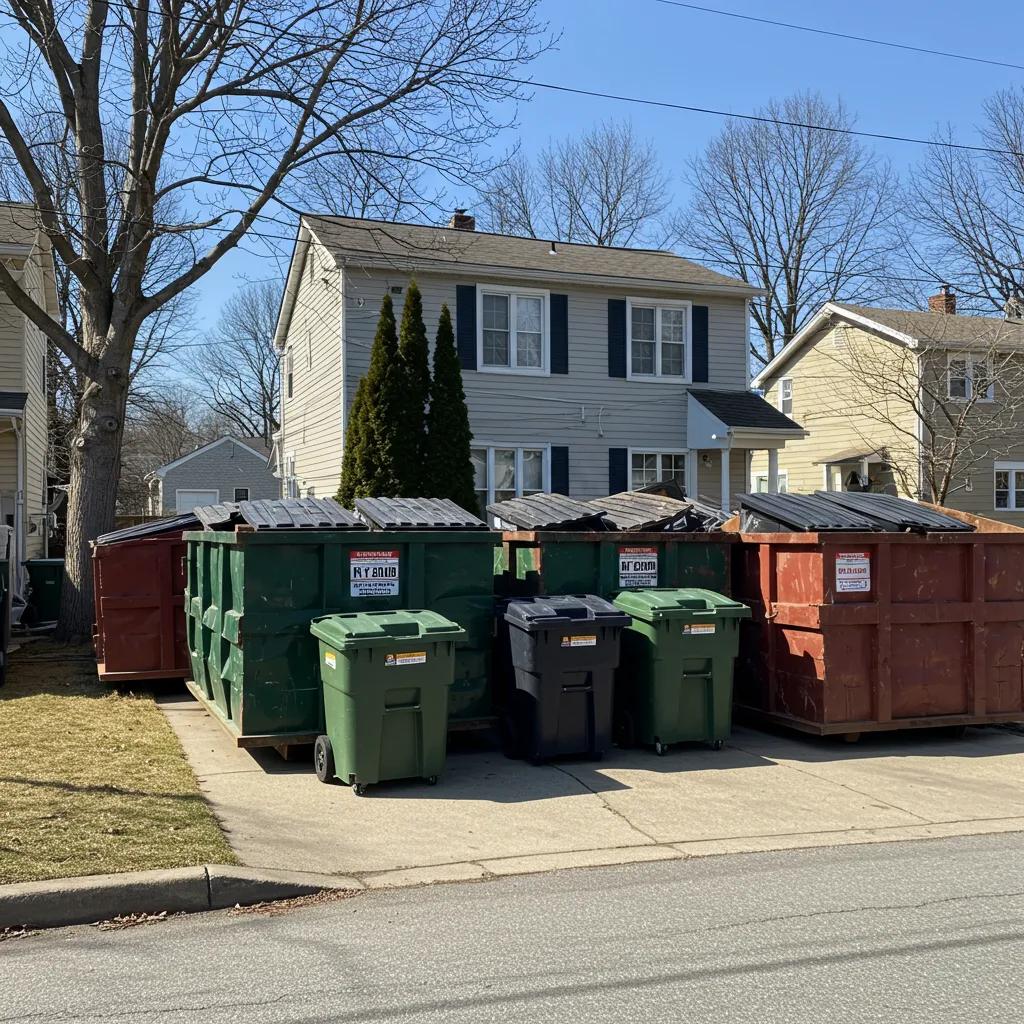
Renting a dumpster in Yonkers involves more than picking a size and scheduling a drop-off; multiple local and material factors determine the final price. This guide explains the primary cost drivers for dumpster rental in Yonkers, including size and capacity, debris type and weight, rental duration and overage rules, permit needs, delivery logistics, and practical cost-saving strategies. You’ll learn how each factor contributes to quoted rates, how to estimate the right container for specific projects, and which choices reduce surcharges and surprises. We’ve mapped out the main H2 sections so you can jump directly to dumpster sizes, debris-specific fees, rental timing and extensions, permit processes, delivery and landfill considerations, optimization tactics, and a comparison between dumpster rental and junk removal. Throughout, semantic connections—like weight → surcharge → disposal fees—are emphasized so you’ll understand how one decision affects another and can plan a more accurate budget for your Yonkers project.
What Are the Main Dumpster Sizes and Their Costs in Yonkers?
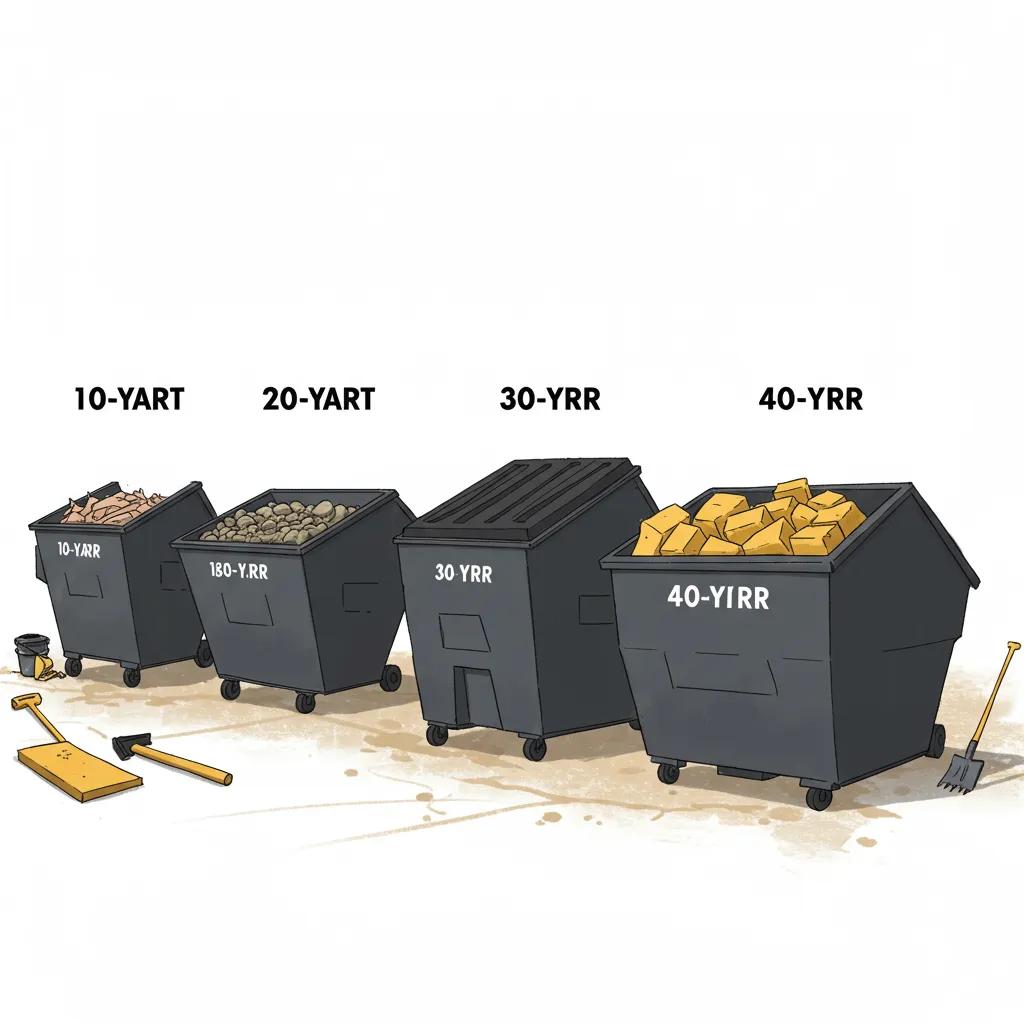
Dumpster sizes determine base rental pricing because capacity and dimensions affect handling, transport, and disposal logistics. A dumpster’s cubic-yard rating reflects volume, while dimensions and weight limits shape what and how much you can legally and cost-effectively load; selecting the correct size reduces the chance of extra trips or overage surcharges. This section summarizes common sizes, typical uses, and Yonkers-oriented price bands to help you match project scope to container capacity. Understanding size-to-price relationships helps you plan better and reduces the chance of cost surprises at pickup time.
| Dumpster Size | Dimensions (approx.) | Typical Uses | Base Price Range (Yonkers) | Typical Weight Limit |
|---|---|---|---|---|
| 10-yard | ~12ft x 8ft x 3.5ft | Small cleanouts, garage or attic projects | $450–$575 | ~2 tons |
| 20-yard | ~22ft x 8ft x 4ft | Remodeling, medium renovations | $500–$675 | ~3 tons |
| 30-yard | ~22ft x 8ft x 5.25ft | Major renovations, roofing debris | $650–$775 | ~4 tons |
| 40-yard | ~22ft x 8ft x 8ft | Full demolition, commercial projects | $675–$899 | ~6 tons |
This table shows how capacity, size, and weight limits relate to base rental pricing in Yonkers. Choosing the right unit based on project type minimizes the need for multiple deliveries and lowers the chance of weight-based surcharges.
How Much Does a 10-Yard Dumpster Rental Cost in Yonkers?
A 10-yard dumpster offers modest volume and lower base pricing, making it perfect for smaller residential cleanouts and single-room renovations. Pricing in Yonkers typically falls in the lower end of the local range, and its lighter weight limit reduces disposal pass-throughs for mixed household debris. For projects such as garage cleanouts or small kitchen tear-outs, the 10-yard container offers affordability and simpler placement on driveways or small yards. To maximize value, break down bulky items and lay flat materials evenly so you stay within volume without exceeding weight caps.
When a small project’s debris contains heavier materials like tile or concrete fragments, the cost advantage of a 10-yard unit quickly diminishes because landfills charge by tonnage. Planning your load and estimating cubic yards in advance helps ensure a 10-yard dumpster remains the most cost-effective choice for smaller jobs.
What Are the Price Ranges for 20, 30, and 40-Yard Dumpsters in Yonkers?
Mid-to-large dumpsters’ prices increase with volume and expected disposal complexity. So, 20-, 30-, and 40-yard units come with incremental base fees plus potential weight surcharges. Typical Yonkers base ranges increase with size due to higher handling, longer transport distances, and greater likelihood of per-ton charges for heavy construction debris. Contractors often select 20-yard units for moderate renovations, 30-yard for larger residential projects and substantial roofing, and 40-yard for full demolition or commercial jobs. Estimating your project’s cubic yards and matching them to the nearest container reduces double-haul costs and helps you avoid extra administrative fees from oversized or overloaded loads.
Weight limits and per-ton landfill fees become more significant with larger units; when you expect heavy materials, plan for tonnage costs in your quote rather than relying on base rental rates alone to avoid surprises.
Which Dumpster Size Is Best for Different Project Types in Yonkers?
Matching project type to dumpster size prevents under-sizing that leads to overages and oversizing that wastes budget; practical examples help make the decision clearer. For small decluttering jobs and minor remodels, 10- to 20-yard containers typically suffice, while whole-house gut renovations or major roofing usually require 30- to 40-yard units. Estimating volume by comparing cubic yards to the number of pickup-truck loads or using room-based rules-of-thumb gives a quick sizing sense. When heavy materials like concrete or brick are part of the job, it’s often smart to upsize for volume while planning for per-ton disposal fees, because tonnage, not just volume, drives total cost.
Choosing the right dumpster therefore depends on both volume and weight expectations, and conservative sizing paired with weight forecasting reduces the chance of surprise surcharges.
After evaluating common sizes, Dumpster Rental Yonkers Pros (operating as Dumpster Rental Yonkers Pros) offers 10-, 20-, 30-, and 40-yard roll-off options with pickup and drop-off service and flexible scheduling. Their local expertise can help you match project types to appropriate units and factor in typical Yonkers base price ranges when planning your budget.
How Does Debris Type and Weight Affect Dumpster Rental Prices in Yonkers?
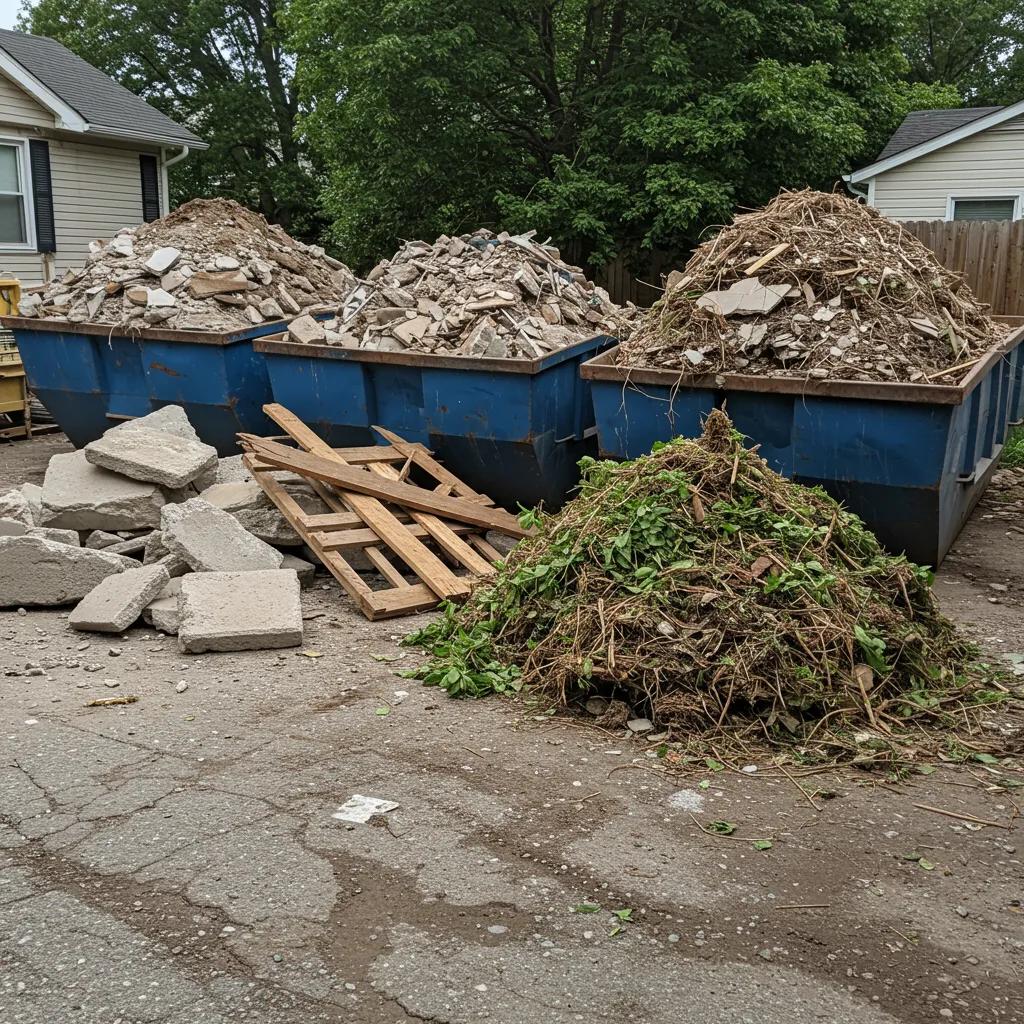
Debris category and total tonnage directly influence disposal fees because many transfer stations and landfills charge on a per-ton basis for heavy materials. Lightweight, bulky items like household junk consume volume but have a lower weight impact, whereas construction rubble such as concrete, brick, and roofing shingles concentrate mass and trigger significant per-ton surcharges. Understanding the disposal mechanism—volume for base rental, weight for landfill pass-throughs—helps you predict which materials will increase overall cost. Minimizing heavy material in mixed loads or segregating recyclable streams reduces per-ton fees and keeps quotes closer to base rental ranges.
| Debris Type | Disposal Method | Typical Weight Impact | Extra Fees / Notes |
|---|---|---|---|
| Concrete & brick | Charged per ton at landfill | Very high | Expect substantial surcharge |
| Roofing shingles | Often charged per ton or special handling | High | May require separate disposal |
| Yard waste | Composting or green-waste facility | Low–moderate | Possible reduced rates if separated |
| Household junk | Landfill by volume/ton mix | Low–moderate | Best kept separate from heavy debris |
| Mixed construction debris | Landfill, per-ton billing | Moderate–high | Sorting can reduce cost |
This table clarifies why debris composition should guide both dumpster selection and on-site segregation to control disposal-driven costs.
What Are the Disposal Costs for Concrete, Brick, and Construction Debris in Yonkers?
Heavy construction debris increases costs primarily through per-ton disposal fees at local transfer stations or landfills, which are passed through to customers. Concrete and brick are dense materials that quickly reach or exceed per-container weight limits, triggering surcharges that can overshadow the base rental rate. Contractors frequently separate concrete for recycling when possible or use specialized aggregate drop-off facilities to lower fees. To minimize expense, estimate the tons of heavy debris beforehand and consider staged removal or recycling options that can reduce per-ton landfill charges.
When heavy debris is unavoidable, request itemized quotes that separate base rental from disposal per-ton estimates so you can compare providers and see exactly where costs accumulate.
How Do Yard Waste and Household Junk Influence Dumpster Rental Fees?
Yard waste and household items typically weigh less per cubic yard than construction rubble, which helps keep tonnage-based fees lower when separated from heavy materials. Yard debris often qualifies for composting or reduced-rate green-waste processing, so segregating branches, brush, and vegetation can produce direct savings. Household junk, when free of hazardous or regulated items, usually fits within standard landfill streams and contributes modestly to weight-based costs. Implementing simple on-site segregation—one container for clean wood/yard waste and another for mixed trash—can translate into meaningful cost differences on the final invoice.
Segregation also simplifies recycling and diverts reusable materials away from landfill disposal, offering both environmental and financial benefits for Yonkers projects.
What Items Are Prohibited or Require Special Handling in Yonkers Dumpster Rentals?
Certain items are commonly prohibited from standard dumpsters or require specialized handling due to environmental and legal constraints; knowing these ahead of time helps prevent rejected loads and steep disposal penalties. Typical prohibited items include hazardous materials, gasoline and oil containers, certain batteries and chemicals, medical or biohazardous waste, and electronic waste that may require e-waste processing. Tires and large appliances sometimes need separate disposal channels and fees. Always verify prohibited lists with your provider and plan special-handling disposal through certified recyclers or licensed facilities to stay compliant and control your total project cost.
When in doubt, isolate questionable items on-site and consult with your rental provider about alternate disposal routes to avoid noncompliance fees and rejected loads.
Common prohibited or specially-handled items include:
- Hazardous chemicals and solvents, which require licensed hazardous waste processing.
- Medical or biohazardous materials, which cannot go into standard roll-off containers.
- Certain electronics, tires, and appliances, which may require dedicated recycling streams.
Clear communication about prohibited items before pickup prevents delays and extra charges for improper loads. Proper planning ensures regulatory compliance and predictable final costs.
How Does Rental Duration Impact Dumpster Costs and Overage Fees in Yonkers?
Rental duration affects cost because base rentals include a set number of days, and extensions or delayed pickups incur per-day fees that accumulate rapidly. The interplay between project schedule and included rental days determines whether you pay the base rate alone or add extension and storage fees, so aligning delivery and pickup timing with realistic work progress reduces excess charges. Efficient sequencing—staging deliveries so containers arrive when ready to be loaded and scheduling pickups promptly—limits the days the container occupies space and the daily charges that follow. Understanding standard time allowances helps you plan better and avoid surprises on your final invoice.
| Rental Period | Included Days | Typical Extension Fee per Day | Typical Use Case |
|---|---|---|---|
| Standard | 5 days | $15–$40/day | Short renovations, cleanouts |
| Extended | 7–10 days | $15–$35/day | Larger remodels or phased jobs |
| Long-term | 30+ days | Negotiated monthly rate | Ongoing commercial projects |
This table outlines how included days and per-day extension fees interact to shape total rental cost, emphasizing the importance of matching rental windows to project timelines.
What Is the Standard Rental Period for Dumpsters in Yonkers?
A standard base rental commonly includes an initial period—often around five days—which balances operational efficiency and customer flexibility for typical residential and light commercial projects.
This standard window accommodates most short renovations and cleanouts while keeping fleet utilization high for providers. For longer projects, companies offer extended rentals or negotiated rates that cover multi-week needs; however, daily extension fees usually apply if rentals exceed the included time. Knowing the baseline included days helps you plan pickups and avoid unnecessary extension charges by scheduling crews and disposal milestones accordingly.
Aligning on-site work to the included rental period is one of the simplest ways to control total rental costs.
After explaining rental timing norms, Dumpster Rental Yonkers Pros confirms flexible rental periods are available and notes a typical initial five-day period as part of standard offerings, with clear extension and overage fee policies to help clients budget for longer projects.
How Are Extension and Overage Fees Calculated for Dumpster Rentals?
Extension fees are typically assessed as a daily rate beyond the included rental window and accrue until the container is collected, so the daily fee multiplied by extra days is a straightforward cost driver. Overage fees for weight are calculated when a load exceeds the agreed weight limit; providers add a per-ton surcharge based on the transfer station’s current rates. Some companies also charge administrative or re-dispatch fees for missed pickups or containers that require special handling. To avoid combined daily extension and tonnage surcharges, coordinate realistic pickup dates and segregate heavy materials when possible.
As a practical formula: total cost = base rental + (extension days × daily fee) + (excess tons × per-ton rate) + any administrative or special handling fees.
What Are the Permit Requirements and Fees for Dumpster Placement in Yonkers?
Permit requirements hinge on where the dumpster will sit: private property placements like driveways typically need no municipal permit, while placement on public rights-of-way—streets, sidewalks, or curb lanes—usually requires a city permit and associated fees. Permits ensure safe placement, protect pedestrian access, and allow for traffic control measures when needed. The permit process and cost range vary depending on duration, location, and local public works regulations, so anticipating permit needs before scheduling deliveries helps prevent last-minute delays and added fees. Detailed planning includes measuring the placement area, verifying municipal rules, and preparing documentation for application when public property use is intended.
Understanding when permits apply and how they factor into total project cost helps you include permit fees in initial budget estimates and avoids unexpected municipal charges.
When Is a Permit Required for Dumpster Placement in Yonkers?
Permits are required when a dumpster occupies any part of the public right-of-way, including streets, sidewalks, or on-street parking spaces, because the city must manage public safety and traffic flow. Conversely, placing a dumpster entirely on private property—driveways, private lots, or construction sites—generally does not require a municipal permit, though property owner permission is necessary. Exceptions can occur for oversized units, extended placements, or locations near utilities, so confirming local rules before delivery is essential. Knowing this distinction helps you choose placement options that avoid permit fees when feasible.
When a permit is necessary, plan for processing time and potential permit conditions such as reflective signage, cones, or nightly removal requirements.
How Do You Apply for a Dumpster Permit in Yonkers and What Are the Costs?
Applying for a placement permit typically involves submitting an application to the city’s public works or permitting office with project details, requested placement dates, site diagrams, and contact information for the responsible party. Fees depend on placement type, duration, and any traffic-control requirements; estimates vary and often include per-day or flat permit charges. Applicants should prepare basic documentation and allow processing time, or enlist local providers for assistance with applications. Streamlining this step reduces delays and helps us incorporate permit fees into your full rental quote rather than treating them as unexpected add-ons.
Service providers who offer permit assistance can simplify the process by preparing required documents and advising on placement conditions to ensure compliance.
Dumpster Rental Yonkers Pros can assist clients in determining permit needs and support the application process to accelerate approvals and incorporate permit fees into comprehensive project quotes.
How Do Permit Fees Affect Overall Dumpster Rental Prices?
Permit fees generally appear as a separate line item in a full rental quote, and while they may be modest compared with per-ton disposal or extension surcharges, they still increase total project expense and affect budgeting. For short driveway placements, permitting costs are avoided, which can produce measurable savings; conversely, street placements for larger projects may require both a permit fee and additional safety measures that raise the price. Including permit costs in the initial estimate ensures accurate comparisons across providers and prevents surprises when final invoices are issued.
Budgeting with permit fees in mind helps prioritize private placement where possible to reduce municipal fee exposure.
What Local Factors Influence Dumpster Delivery and Disposal Costs in Yonkers?
Local logistics—such as delivery distance, accessibility, and nearby transfer station fees—affect rental pricing because they influence fuel, time, and disposal pass-throughs. Narrow streets, low-hanging wires, or limited parking zones may require special equipment or permits and thus increase handling charges. Disposal costs reflect local landfill or transfer station per-ton rates, which providers pass through to customers; changes in those rates directly alter final invoices. Recognizing these local constraints ahead of time helps us provide more accurate quotes and helps you avoid on-site complications that can lead to added fees or rescheduling.
You should factor in accessibility constraints and local disposal rates to produce realistic estimates for your Yonkers-based jobs.
How Does Delivery Distance Within Yonkers Affect Rental Prices?
Greater delivery distance increases fuel and driver time costs and sometimes triggers distance-based surcharges for outlying or difficult-to-access locations. Providers amortize travel time, and multiple trips for large projects compound those transport costs. Clustered scheduling—grouping nearby deliveries on the same day—reduces per-job transport charges and benefits both providers and customers. Requesting a quote that itemizes delivery or distance surcharges helps identify where logistics influence price and whether consolidating deliveries could lower the bill.
Planning delivery timing and location can reduce distance-related costs and improve overall project efficiency.
What Are the Local Landfill and Disposal Fees in Yonkers?
Local landfill and transfer station fees determine the per-ton component of disposal surcharges; these rates fluctuate with municipal policy and operational costs and are typically passed directly to customers. Providers calculate expected tonnage from debris type and apply the current per-ton fee to determine the disposal portion of the quote. Because landfill fees change over time, it’s wise to ask providers how they handle rate updates—whether they lock a rate for a quote period or revise invoices to reflect current charges. Confirming how landfill fees are applied ensures that the disposal portion of your quote is transparent and comparable across providers.
Contact your rental professional for the most up-to-date per-ton estimates as part of an itemized quote to avoid surprises at final billing.
How Can You Optimize Dumpster Rental Costs in Yonkers?
Cost optimization focuses on right-sizing the container, efficient loading techniques, waste segregation, and competitive quoting; these tactics reduce base rental, extension days, and disposal surcharges. Choosing the appropriate dumpster size prevents paying for unused capacity or incurring overage fees from under-sizing. Properly loading and breaking down materials increases usable volume while reducing the need for extra pickups. Separating recyclables, yard waste, and heavy materials directs streams to lower-cost disposal channels and often yields significant savings. Together, these strategies create a predictable budget and reduce the likelihood of unexpected line items on the final invoice.
Below are prioritized tactics to lower total rental expense and increase operational efficiency.
- Right-size based on accurate volume estimates to avoid multiple rentals or overage fees.
- Segregate recyclables and yard waste on-site to take advantage of lower disposal rates.
- Use efficient loading techniques—flatten, disassemble, and layer—to maximize capacity.
Applying these approaches reduces both the base rental component and variable disposal fees, delivering measurable savings on Yonkers projects.
How to Choose the Right Dumpster Size to Avoid Extra Charges?
Select a dumpster by combining a realistic volume estimate with knowledge of debris weight and project duration to avoid both volume and tonnage surcharges. Convert room or project size into cubic-yard estimates or compare to pickup-truck loads to approximate needs, then choose the next appropriate dumpster to reduce the chance of overflowing. When heavy materials are present, prefer a larger unit only if it prevents multiple trips; otherwise segregate heavy debris into a separate haul to minimize per-ton charges. Asking for an itemized quote that separates base rental, tonnage, and daily extension fees will reveal the most cost-effective size selection.
A conservative but informed sizing decision that anticipates material type and project pace usually lowers total costs.
What Are the Best Loading Techniques to Maximize Dumpster Capacity?
Efficient loading is as important as size selection: flatten furniture and cardboard, break down large items, and place heavy items at the bottom to distribute weight and preserve volume. Layering lighter materials above compacted heavy debris optimizes usable space and reduces the tendency to reach weight limits prematurely. Avoid creating large voids by cutting bulky items and filling gaps with smaller debris. Proper loading not only yields better capacity utilization but also lowers the chance of additional trips or weight surcharges at the disposal facility.
Safe loading practices also protect workers and equipment, which reduces risks of on-site delays and extra fees.
How Does Waste Segregation and Recycling Reduce Dumpster Rental Costs?
Segregating recyclables and organics from mixed construction waste redirects materials to lower-cost processing streams, reducing per-ton landfill fees. Recycling metal, cardboard, and clean wood can offset disposal costs and often generates direct savings when providers or local facilities offer reduced rates. Establish clear on-site sorting areas and label containers to keep streams separate while training crews on acceptable materials. Working with local recycling centers and understanding Yonkers-specific diversion opportunities helps you reduce landfill-bound tonnage and lower the final invoice.
By diverting recyclable streams and avoiding mixed loads of heavy debris, project teams can significantly cut per-ton charges and overall project waste expense.
Dumpster Rental vs. Junk Removal in Yonkers: Which Is More Cost-Effective?
Choosing between renting a dumpster and hiring junk removal hinges on project scale, item type, labor availability, and timeline. Dumpsters are generally more cost-effective for high-volume, self-loaded projects where ongoing disposal access is needed, while junk removal services typically cost more per item but include labor and fast removal for few bulky items. Comparing expected volume, the complexity of items (e.g., appliances needing special handling), and whether you prefer self-loading determines the most economical approach. Evaluating these factors before booking yields a clear decision aligned with budget and convenience goals.
Below is a concise scenario-based comparison to clarify which option commonly wins on cost-effectiveness.
| Scenario | Dumpster Rental | Junk Removal | Cost-Effectiveness |
|---|---|---|---|
| Single bulky item removal | Less efficient | More efficient | Junk removal preferred |
| Whole-house cleanout | More efficient | Less efficient | Dumpster rental preferred |
| Time-critical small job | Less efficient | More efficient | Junk removal preferred |
When Should You Choose Dumpster Rental Over Junk Removal Services?
Choose a dumpster when you have sustained, high-volume waste that you or your crew can load over days or weeks, such as full renovations, large cleanouts, or staged construction projects. Dumpster rental enables controlled pacing, multiple loads under one container, and lower per-unit disposal costs for bulk debris. If you value flexibility and anticipate ongoing waste generation, a roll-off dumpster typically provides a lower total cost than multiple junk-removal visits. For projects where time and labor are available to self-load, dumpster rental is almost always the more economical option.
Making the dumpster decision early simplifies logistics and helps lock in a rental window that matches project cadence.
How Do Costs Compare Between Dumpster Rental and Professional Junk Removal?
Junk removal pricing usually bundles labor, transport, and disposal into an all-inclusive charge that is practical for single-item or small-volume jobs, but the rate per cubic yard is higher than a self-loaded dumpster. Dumpster rental separates base rental, disposal tonnage, and extension fees, offering lower per-volume cost when you supply the labor. For large-scale removals, the dumpster model spreads expenses across volume and typically yields a lower total than multiple manpower-based pick-ups. Requesting itemized comparisons that break out labor, disposal, and transport helps determine which option minimizes total cost for your specific Yonkers project.
If you need help selecting the best approach, request a free personalized quote from Dumpster Rental Yonkers Pros (operating as Dumpster Rental Yonkers Pros) by calling 914-483-3331 to compare dumpster rental and junk removal options with local pricing details and flexible service choices. This local expertise can clarify which service saves you money for your exact project scope.
Frequently Asked Questions
Using a dumpster rental service offers several advantages over traditional waste disposal methods. Firstly, it provides a convenient and efficient way to manage large volumes of waste, especially during renovations or cleanouts. You can load the dumpster at your own pace, which is particularly beneficial for ongoing projects. Additionally, dumpster rental services often include disposal fees in their pricing, simplifying budgeting. They also ensure compliance with local regulations regarding waste disposal, reducing the risk of fines or penalties.
To determine the right dumpster size for your project, start by estimating the volume of waste you expect to generate. A good rule of thumb is to compare the amount of debris to the number of pickup truck loads it would fill. For small projects, a 10- or 20-yard dumpster may suffice, while larger renovations might require a 30- or 40-yard unit. Consider the type of materials you’ll be disposing of, as heavier items may necessitate a larger size to avoid overage fees. Consulting with a rental provider can also help you make an informed choice.
If you exceed the weight limit of your rented dumpster, you may incur additional fees based on the excess weight. It’s important to communicate with your rental provider as soon as you realize you might exceed the limit. They can provide guidance on how to manage the situation, which may include arranging for an additional pickup or recommending a larger dumpster for future projects. To avoid this issue, plan your load carefully and consider separating heavier materials to minimize weight in a single container.
Yes, there are several potential additional fees to consider when renting a dumpster. These can include extension fees if you keep the dumpster longer than the agreed rental period, overage fees for exceeding weight limits, and permit fees if the dumpster is placed on public property. Some companies may also charge for delivery and pickup, especially if your location is difficult to access. Always ask for a detailed quote that outlines all potential charges to avoid surprises on your final bill.
To maximize space and efficiency when loading a dumpster, start by breaking down large items like furniture and cardboard. Place heavier materials at the bottom to distribute weight evenly and avoid exceeding weight limits. Layer lighter materials on top to fill gaps and optimize space. Avoid leaving voids, as this can waste capacity. Additionally, try to keep similar materials together, as this can simplify recycling and disposal processes. Proper loading techniques not only save space but also reduce the likelihood of needing extra pickups.
To ensure compliance with local regulations when renting a dumpster, first check with your rental provider about any specific rules in Yonkers. This includes understanding permit requirements for placement on public property and knowing what materials are prohibited from disposal. Familiarize yourself with local waste management guidelines, especially regarding hazardous materials. Communicating openly with your rental service about your project and its needs can help ensure that you adhere to all regulations and avoid fines or penalties.
If you have prohibited items to dispose of, it’s crucial to handle them properly to avoid penalties. First, consult your dumpster rental provider for a list of prohibited items, which typically includes hazardous materials, electronics, and certain appliances. For these items, seek out specialized disposal services or recycling centers that can handle them safely and legally. If you’re unsure about specific items, it’s best to isolate them and discuss your options with your rental provider to ensure compliance and avoid rejected loads.
Conclusion
Understanding the factors that influence dumpster rental costs in Yonkers empowers you to make informed decisions that can save you money and streamline your project. By considering size, debris type, rental duration, and local regulations, you can optimize your budget and avoid unexpected fees. For personalized assistance and competitive pricing, reach out to Dumpster Rental Yonkers Pros today. Let us help you find the right solution for your waste management needs.