How to Select Dumpster Size | Dumpster Rental Yonkers
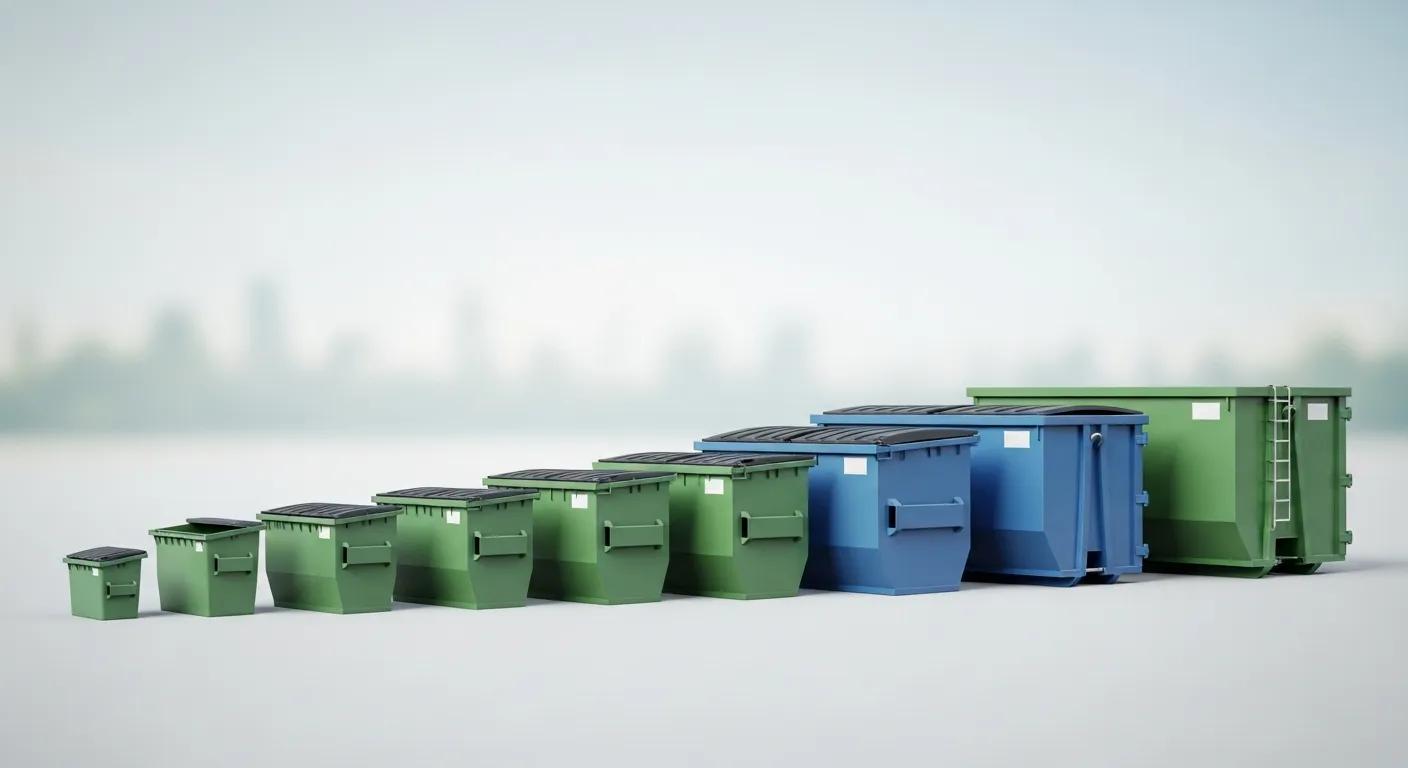
Choose Your Ideal Dumpster Size
Selecting the correct dumpster size is essential for project efficiency and cost control, whether the work is a home renovation, landscaping job, or a major cleanout. This guide explains common sizes, types, and typical costs for dumpster rentals in Yonkers. Many homeowners misjudge size needs, which can result in paying for unused capacity or requiring a second dumpster. After reading, you will understand how to choose the appropriate size, which factors affect that choice, and what local regulations to consider.
What Are the Common Dumpster Sizes and Types Available?
Understanding common dumpster sizes and types is essential. The most frequently rented sizes are:
- 10 Yard Dumpster : Ideal for small projects like garage cleanouts or minor renovations.
- 20 Yard Dumpster : Suitable for medium-sized projects such as kitchen remodels or large cleanouts.
- 30 Yard Dumpster : Best for larger projects, including major renovations or construction debris.
These sizes address a range of project needs and help you select an appropriate option.
The table shows common dumpster sizes, typical uses, and dimensions to aid your decision.
What Are Roll Off Dumpster Sizes and Their Dimensions?
Roll-off dumpsters are commonly used for their convenience. They are typically available in these sizes:
- 10 Yard Roll Off : 12 feet long, 8 feet wide, and 3.5 feet high.
- 20 Yard Roll Off : 22 feet long, 8 feet wide, and 4.5 feet high.
- 30 Yard Roll Off : 22 feet long, 8 feet wide, and 6 feet high.
These dimensions accommodate household debris and construction materials. Knowing them helps you select the correct dumpster for your project.
How Do Dumpster Types Vary for Home Renovation and Tree Service Waste?
Dumpsters are designed for different waste types. Standard roll-off units suit most home renovations, while tree service work may require containers intended for organic yard material.
- Standard Roll-Off Dumpsters : Suitable for general construction debris, household waste, and yard waste.
- Yard Waste Dumpsters : Specifically designed for organic materials like branches, leaves, and grass clippings.
- Construction Debris Dumpsters : Built to handle heavier materials such as concrete, bricks, and metal.
This chapter introduces construction and demolition debris materials, their sources, and management methods. It outlines the scale of material extraction used in construction, defines construction and demolition debris, and reviews common sources (for example, building construction, demolition, and transportation infrastructure). The chapter also addresses environmental hazards and sustainability considerations related to CDD.
Guide to Construction & Demolition Waste Management
The universe of construction and demolition debris materials, sources, and management methods are introduced in this chapter. This chapter begins by providing an overview of the importance of understanding the magnitude of materials extracted from the Earth used to construct our built environment. Then, perhaps one of the most challenging acts, defining construction and demolition debris, is described. This chapter ends by providing an overview of common sources of CDD (e.g., building construction and demolition, transportation infrastructure) and discussing two important aspects of CDD: environmental hazards and sustainability.
Introduction to construction and demolition debris, TG Townsend, 2023
Recognising the differences between dumpster types helps you avoid extra fees and meet local regulations.
How to Estimate the Right Dumpster Size for Your Project?
Estimate dumpster size by evaluating project type, expected waste volume, and rental duration. Key considerations include:
- Project Type : Different projects generate different amounts of waste. For example, a kitchen remodel will produce more debris than a simple garage cleanout.
- Waste Type : Heavier materials like concrete may require a smaller dumpster due to weight limits.
- Duration of Rental : Longer projects may require a larger dumpster to accommodate ongoing waste generation.
Assessing these factors provides a more accurate size estimate.
For tree service waste, consider disposal requirements. AXEL Tree Service provides several dumpster sizes suitable for tree removal and pruning debris to support efficient waste handling.
What Factors Influence Dumpster Size Selection for Homeowners?
Several factors affect dumpster size selection, including:
- Scope of the Project : Larger projects naturally require larger dumpsters.
- Type of Waste : Different materials have different volume and weight considerations.
- Rental Duration : Longer projects may need a larger dumpster to accommodate ongoing waste.
Awareness of these factors helps you select the most suitable dumpster size for your needs.
How to Calculate Waste Volume for Accurate Dumpster Sizing?
Calculating waste volume is necessary to choose the right dumpster. Common estimation methods include:
- Volume Calculation : Measure the length, width, and height of your waste pile and multiply these dimensions to get the cubic feet.
- Weight Considerations : Be aware of weight limits for different dumpster sizes, especially for heavy materials like concrete or metal.
- Common Mistakes : Avoid underestimating your waste volume, as this can lead to additional costs and complications.
Accurate measurements and consideration of weight limits reduce the risk of extra charges and delays.
What Are the Typical Dumpster Rental Costs in Yonkers?
Dumpster rental costs in Yonkers vary by size, type, and rental duration. Typical price ranges are:
- 10 Yard Dumpster : Approximately $300-$450
- 20 Yard Dumpster : Approximately $400-$550
- 30 Yard Dumpster : Approximately $500-$650
Prices fluctuate with demand and provider. Compare quotes to secure the best rate.
How Does Dumpster Size Affect Rental Pricing?
Dumpster size directly affects rental pricing. Larger units typically cost more due to increased capacity and associated disposal fees. Consider the following:
- Cost per Cubic Yard : Larger dumpsters have a lower cost per cubic yard compared to smaller sizes.
- Weight Considerations : Heavier loads can incur additional fees, so it’s essential to consider the weight of your waste when selecting a size.
- Long-Term Rentals : If you need a dumpster for an extended period, larger sizes may offer better value.
Understanding these pricing factors helps you choose the most cost-effective option.
What Additional Fees Should You Expect in Yonkers?
Additional fees may apply when renting a dumpster, including:
- Delivery and Pickup Fees : Charges for transporting the dumpster to and from your location.
- Overweight Charges : Fees incurred if your waste exceeds the weight limit of the dumpster.
- Permit Fees : Costs associated with obtaining necessary permits for dumpster placement in certain areas.
Identifying these fees in advance improves budget accuracy for your project.
What Are the Local Regulations and Permit Requirements for Dumpster Rental in Yonkers?
Local regulations vary. In Yonkers, permits may be required to place a dumpster on public property. Key points to consider include:
- Permit Requirements : Check with local authorities to determine if a permit is necessary for your project.
- Local Regulations : Familiarize yourself with any specific regulations regarding dumpster placement and waste disposal.
- Consequences of Non-Compliance : Failing to adhere to local regulations can result in fines or additional fees.
Compliance with local rules reduces the risk of fines and project delays.
When Is a Permit Required for Dumpster Placement?
Permits are usually required for dumpsters placed on public property, such as streets or sidewalks. Guidelines include:
- Situations Requiring Permits : If the dumpster will obstruct traffic or pedestrian pathways, a permit is usually necessary.
- Application Process : Contact your local government office to understand the application process and required documentation.
- Local Authority Contacts : Keep a list of contacts for local authorities to expedite the permit process.
Securing permits in advance saves time and helps avoid penalties.
How to Obtain Permits for Dumpster Rental in Yonkers?
Obtaining a permit in Yonkers typically requires several steps:
- Application Steps : Fill out the necessary application forms provided by local authorities.
- Required Documentation : Prepare any required documentation, such as proof of insurance or project details.
- Processing Times : Be aware of processing times, as permits may take several days to approve.
Completing these steps helps ensure timely permit approval.
How to Manage Dumpster Rental for Tree Service Waste Efficiently?
Efficient management of tree-service waste requires planning. Best practices include:
- Efficient Waste Management Strategies : Sort waste into categories to maximize space and minimize costs.
- Safety Protocols : Follow safety guidelines when loading the dumpster to prevent accidents.
- Cost-Saving Tips : Consider consolidating waste to reduce the number of rentals needed.
Applying these practices improves efficiency and lowers overall costs.
What Dumpster Sizes Are Best for Tree Removal and Pruning Debris?
For tree removal and pruning, the following sizes are commonly recommended:
- 10 Yard Dumpster : Suitable for small tree trimming projects.
- 20 Yard Dumpster : Ideal for larger tree removal jobs.
- 30 Yard Dumpster : Best for extensive landscaping projects involving multiple trees.
Selecting the correct size supports efficient disposal and compliance with local regulations.
What Safety and Risk Prevention Measures Should Be Followed?
Safety is essential when using dumpsters. Recommended measures include:
- Safety Gear Recommendations : Always wear gloves, hard hats, and steel-toed boots when handling waste.
- Risk Assessment Strategies : Evaluate the site for potential hazards before placing the dumpster.
- Emergency Procedures : Have a plan in place for emergencies, including contact information for local services.
Adhering to these measures reduces the risk of accidents and supports a smooth rental process.
What Are Your Options for Emergency Dumpster Rental Services?
In urgent situations, emergency dumpster services are available. Options include:
- Local Providers : Research local companies that offer emergency services.
- Response Times : Inquire about response times to ensure timely delivery.
- Cost Considerations : Be aware that emergency services may come with higher fees.
Knowing your options enables prompt action during emergencies.
How to Access Fast Dumpster Rental for Urgent Tree Service Waste?
For urgent tree-service waste, rapid dumpster access is critical. Recommended strategies include:
- Fast Rental Options : Look for companies that specialize in rapid delivery.
- Contacting Local Providers : Have a list of local providers on hand for quick access.
- Preparation for Urgent Needs : Be ready with project details to expedite the rental process.
Preparation helps secure rapid delivery when time is limited.
Which Companies Offer Reliable Emergency Dumpster Rentals in Yonkers?
For emergency rentals in Yonkers, consider these local providers:
- AXEL Tree Service : Known for their reliable service and quick response times.
- Local Waste Management Companies : Research other local companies that specialize in emergency rentals.
- Service Reviews : Check online reviews to gauge the reliability of different providers.
Selecting a reputable provider helps ensure reliable service during urgent situations.
Frequently Asked Questions
What should I consider when choosing a dumpster rental company?
When choosing a rental company, evaluate reputation, customer service, pricing, and availability. Review customer feedback and confirm the available sizes, rental terms, and any additional fees. The company should provide clear communication and answer questions about the rental process.
Can I place a dumpster on my driveway or yard?
You can usually place a dumpster on a driveway or yard, subject to local regulations and surface condition. Confirm the surface can support the weight and remove obstructions. Use protective boards to prevent damage and verify placement requirements with your rental company.
What items are prohibited from being disposed of in a dumpster?
Most rental companies restrict hazardous items such as chemicals, batteries, tires, appliances, and medical waste. Confirm the provider’s full prohibited list to avoid fees or legal issues. These items often require specialized disposal or facilities.
How long can I keep a rented dumpster?
Rental durations vary by company and project. Typical terms range from several days to a week, with extensions available. Longer rentals may incur additional fees. Discuss your timeline with the provider to confirm duration and extension costs.
What should I do if my dumpster is full before my project is complete?
If the dumpster fills before your project is complete, arrange a swap-out for an empty unit or rent an additional dumpster. Consult your provider to determine the most cost-effective solution for your needs.
Are there any discounts available for long-term dumpster rentals?
Many companies offer discounts for long-term rentals or multiple unit orders. Ask about promotions, package deals, loyalty programs, and referral discounts to reduce overall costs.
What is the best time of year to rent a dumpster?
The best timing depends on project type and local demand. Spring and summer are peak seasons for renovations and cleanouts, which can increase costs and limit availability. Consider off-peak months, such as fall or winter, for better rates and book in advance to secure the required size.
Conclusion
Selecting the correct dumpster size ensures efficient waste management and helps avoid unnecessary costs. Understanding available sizes and types allows you to make informed decisions for your specific project. Contact local providers for assistance and pricing, and begin your project well prepared by reviewing your rental options.