Why Size Matters in Yonkers Dumpster Rentals
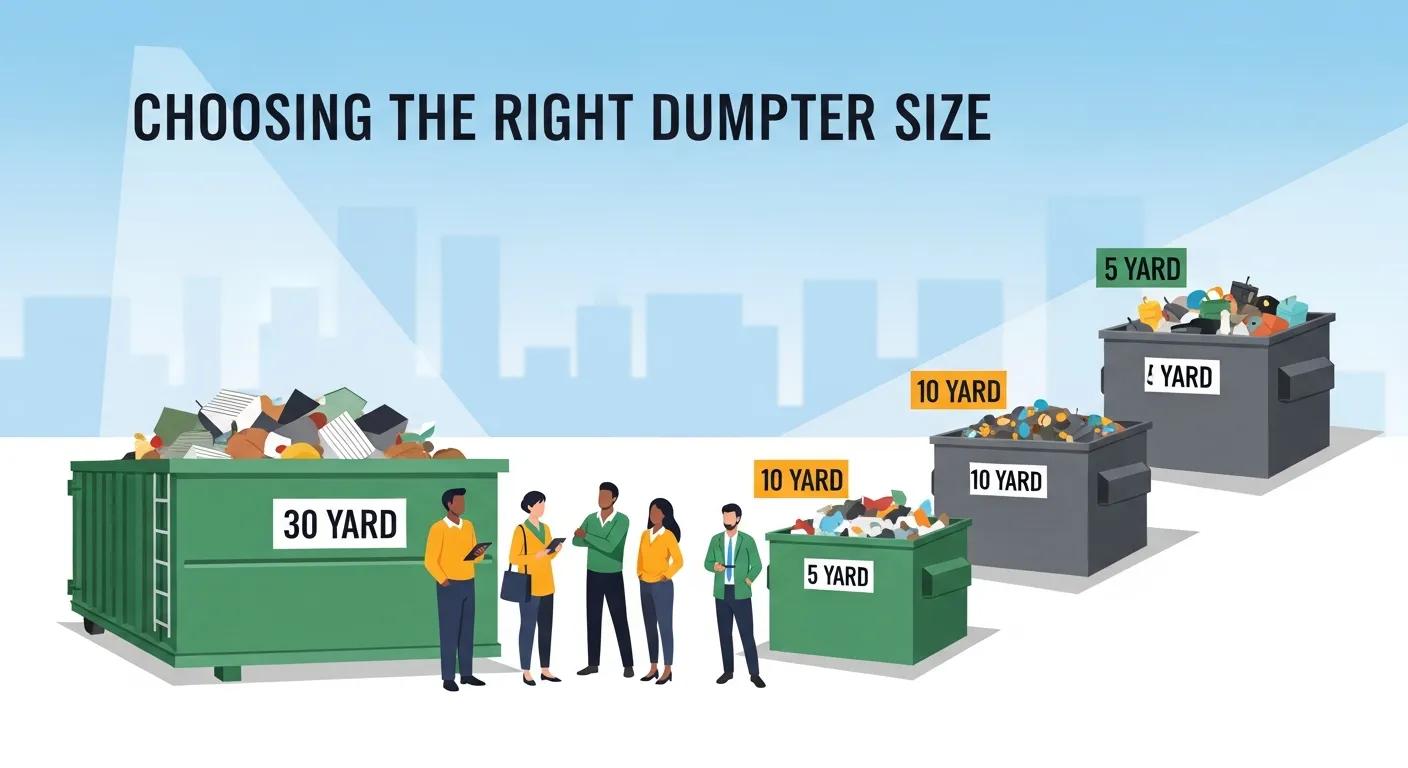
Choosing the Right Dumpster Size for Yonkers Projects
Picking the wrong dumpster size can slow a job, add surprise fees, and create headaches for Yonkers homeowners and contractors. Size matters because capacity (cubic yards) determines how much debris fits, how many truck trips you avoid, and whether you risk weight surcharges. This guide walks through how size changes delivery, placement, cost, and on-site efficiency for residential, commercial, and construction work in Yonkers. You’ll get practical heuristics—pickup-truck equivalents, room-based estimates, and material-density rules—to make a confident choice. We cover the common 10-, 20-, 30-, and 40-yard options, when to upsize for bulky light materials or downsize for dense, heavy debris, and which Yonkers permit and placement details to check before you order. Continue for size-to-project matches, cost drivers, packing and site-prep tips, and comparison tables to simplify selecting the right roll-off dumpster for your job.
How Do Dumpster Sizes Affect Your Yonkers Rental Experience?
Dumpster size sets the tone for the whole rental: it decides how much you can store, how often the hauler returns, and where the container can sit on your property. Bigger units cut down on repeat pickups but need more driveway space and sometimes stricter placement rules; smaller units fit tight spaces and are easier to access but may force additional hauls. The right choice balances delivery constraints, loading efficiency, and exposure to weight or overfill fees. Start by matching container type—mini dumpsters, 10-yard, up to 40-yard roll-offs—to your project goals and Yonkers placement rules; the table below makes those comparisons easier.
| Size (cubic yards) | Approx. Dimensions (L×W×H) | Pickup-truck equivalents | Typical uses | Approx. Weight guidance |
|---|---|---|---|---|
| 10-yard | ~12′ × 8′ × 3′ | 3–4 truckloads | Small cleanouts, garage or attic cleanouts | Light to moderate loads; ideal for bulky but light debris |
| 20-yard | ~22′ × 8′ × 4′ | 6–8 truckloads | Medium renovations, single-room remodels | Moderate weight; common for home remodels |
| 30-yard | ~22′ × 8′ × 6′ | 10–12 truckloads | Major remodels, roof tear-off (shingles) | Higher capacity; watch for heavy-material limits |
| 40-yard | ~22′ × 8′ × 8′ | 14+ truckloads | Large construction projects, commercial cleanouts | High volume; may reach weight limits with dense materials |
What Are the Common Dumpster Sizes Available in Yonkers?
In Yonkers you’ll typically find 10-, 20-, 30-, and 40-yard roll-off dumpsters, plus smaller mini options for tight driveways. Each size differs by cubic-yard capacity, footprint (L×W×H), and best-use scenarios. A 10-yard unit fits small residential cleanouts and minor remodels; a 30-yard unit is better for larger renovations or roofing jobs where volume is the main concern and materials are relatively light. Use pickup-truck equivalents to convert your job into cubic yards and avoid undersizing that stalls work.
How Does Dumpster Size Impact Rental Cost and Efficiency?
Size affects cost through the base rate, included weight allowance, weight fees, and the chance you’ll need extra hauls. A single bigger container can be more economical than multiple smaller rentals because it removes extra deliveries, but overweight or overfill surcharges can erase those savings. To optimize cost and efficiency, estimate volume honestly—use pickup-truck equivalents or room-based rules—and factor in density: shingles and concrete weigh far more per cubic yard than drywall or wood. The next section gives residential sizing recommendations with those trade-offs in mind.
Which Dumpster Size Is Best for Residential Projects in Yonkers?
Start with project scope and debris type: a cleanout and a heavy demo are not the same. For most Yonkers homeowners, 10- to 20-yard containers handle cleanouts and small remodels, while 30-yard dumpsters fit full-kitchen or large renovation jobs. Always watch weight: heavy materials can hit a container’s tonnage limit long before it looks full, which may mean upsizing volume or arranging separate disposal for heavy waste. The subsections below map common home projects to recommended sizes and explain how to adjust for density and rental length.
Quick homeowner mappings to pick a size:
- Small cleanouts: Garage, attic, or single-room clear-outs — 10-yard dumpster.
- Moderate remodels: Kitchen or bathroom remodels — 20-yard dumpster.
- Large renovations: Whole-house or major structural work — 30-yard (or larger) dumpster.
These guidelines align debris volume with container capacity and rental efficiency; the following section gives concrete volume estimates for typical home cleanouts.
What Size Dumpster Do You Need for Typical Home Cleanouts?
Home cleanouts vary: a one-car garage purge usually fits in a 10-yard dumpster, while a multi-room declutter or basement clear-out may need a 20-yard container. Use pickup-truck equivalents: about six pickup loads ≈ 20-yard; three to four loads ≈ 10-yard. Keep in mind bulky, light items (furniture, mattresses) consume volume but not weight, while tile or brick pack tightly and are heavy—this affects whether you upsize for volume or choose a container with a higher weight allowance. Next, we cover renovation-specific sizing and rental timing.
How to Choose the Right Residential Dumpster Size for Renovations?
Match the dumpster to the renovation phase and material types—demo waste behaves differently from finish trash. A kitchen gut produces high volume of moderate-weight items (cabinets, drywall) that typically fits in a 20- to 30-yard dumpster depending on scope. Bathroom tile or concrete countertops may trigger weight limits and call for smaller-volume containers with higher weight allowances or separate disposal. Estimate rental duration to match project timelines—shorter rentals lower base fees, but you may need extensions if work runs long—so coordinate expected fill rate with your provider. The following section addresses commercial and construction needs where weight and staging are even more important.
How to Select the Right Roll Off Dumpster Size for Commercial and Construction Use in Yonkers?
Commercial and construction jobs require balancing volume, material density, and project pacing. Choose roll-off sizes with an eye toward weight controls, staging logistics, and pickup cadence. Construction sites generate mixed streams—light wood, heavy concrete, bulky packaging—so decide which stream will dominate and whether staging multiple containers by material type improves workflow. For commercial properties with steady waste, scheduled pickups and mid-sized containers give predictable costs; for construction, larger short-term containers reduce handoffs but increase staging and permit needs. The subsections below recommend sizes for common commercial scenarios and address heavy construction debris management.
Commercial considerations before project-specific recommendations:
- Recurring waste: Use scheduled pickups with mid-sized containers for predictable cost.
- Single-project cleanouts: Larger single rentals reduce turnaround on one-off jobs.
- Mixed-material sites: Stage separate dumpsters for heavy and light streams to avoid weight fees.
What Dumpster Sizes Are Ideal for Commercial Waste Disposal?
For retail or office cleanouts, 20- and 30-yard dumpsters balance capacity and access; 40-yard units serve large warehouses or multi-floor renovations that create big volume. Factor pickup frequency: smaller containers with regular service can be cheaper if weight or curb-placement rules limit size. For ongoing waste streams, a dedicated container and scheduled service lower management overhead and smooth budgeting. The next subsection deals with construction density issues and when to stage multiple containers.
Which Dumpster Size Handles Construction Debris Efficiently?
Construction debris can be light (wood, drywall) or extremely heavy (concrete, brick), so size decisions should prioritize material density as much as volume. For light-demolition work, a 30-yard dumpster is often cost-effective; for heavy materials, smaller containers with higher weight limits or multiple containers are safer to avoid overweight surcharges. For roofing, staging multiple 20- or 30-yard dumpsters by phase reduces interruptions and prevents overfilling a single container. Knowing material-specific weight per cubic yard helps avoid surprise fees and keeps the job on schedule.
What Are the Key Factors to Consider When Choosing Dumpster Size in Yonkers?
Selecting the right dumpster in Yonkers comes down to project type, debris volume, material density (weight), site access, and any permit needs for street placement. Each factor affects capacity or logistics: a narrow driveway may force a smaller footprint even if volume suggests a larger container, while heavy debris may require smaller-volume containers to stay under weight limits. Use these decision points to minimize cost and municipal friction. The following subsections explain volume estimation methods and summarize weight limits and permit considerations.
Checklist of the most important factors to evaluate before ordering:
- Project type and duration: Is this a one-off cleanout or ongoing commercial service?
- Debris volume: Estimate cubic yards using pickup-truck equivalents or room-based rules.
- Debris weight and density: Identify heavy materials that eat up tonnage quickly.
- Site access and placement rules: Measure driveway space and confirm whether street placement needs a permit.
How Do Project Type and Debris Volume Influence Dumpster Size Choice?
Project type dictates likely debris streams and fill pace; room-based estimates and pickup-truck equivalents convert jobs into cubic yards. Clearing a one-car garage equals about 3–4 pickup loads (≈10-yard); removing kitchen cabinets and drywall can reach 8–10 loads (20–30-yard). Upsize for bulky items that spike volume; downsize when debris is dense—concrete or brick—because weight limits can raise fees despite low visible volume. These estimation methods reduce the risk of costly surprises.
What Are the Weight Limits and Permit Requirements by Dumpster Size in Yonkers?
Weight allowances differ by provider, dumpster model, and local rules; heavy materials like concrete quickly use a container’s tonnage limit and may incur per-ton surcharges. In Yonkers, driveway placement usually avoids municipal street permits, while curb or street placement often requires a city permit and curb-placement rules. To prevent fines and surcharges, confirm placement rules early, compare expected weight to the provider’s allowance, and consider staged pickups or separate containers for heavy debris. These checks help you choose a size that meets both operational and regulatory needs.
How Does Dumpster Size Influence Rental Costs in Yonkers?
Size is a primary cost driver, but final pricing also depends on weight fees, rental duration, debris type, and delivery logistics. Larger containers carry higher base rates but can lower per-cubic-yard cost and eliminate multiple trips; overweight loads trigger per-ton charges that may erase savings. Seasonal demand and local transfer distances in Yonkers can affect turnaround and fees, so plan timing to avoid rush surcharges.
Below is a pricing-style table that shows how size interacts with cost factors and which variables change the final price.
The table below outlines typical cost-related attributes by size and highlights what changes pricing for Yonkers rentals.
| Dumpster Size | Typical Cost Drivers | Cost Impact Notes |
|---|---|---|
| 10-yard | Base rate, rental duration, weight of debris | Lower base rate; good for small jobs but can raise total cost if multiple rentals are required |
| 20-yard | Base rate, weight fees, delivery logistics | Versatile for many residential jobs; watch weight for dense materials |
| 30-yard | Base rate, potential permit/staging needs, weight | Saves on multiple hauls for high volume; may have higher base rate and placement constraints |
| 40-yard | Base rate, site access, heavy-debris restrictions | Best for very large jobs; may require special staging and higher base fee |
Assessing both volume and weight before ordering saves money; below is a brief business note about related services and pricing transparency.
We also offer related site services and transparent pricing to help projects stay on budget.
What Are the Typical Price Ranges for Different Dumpster Sizes?
Exact dollar ranges depend on provider and market conditions, but watch these components: base rate, included tonnage, and per-ton weight fees. Distance to local disposal/recycling centers and seasonal demand also affect the quote. For Yonkers jobs, ask which materials are included in base tonnage and which trigger extra charges, and request a breakdown separating base rental, weight, and permit fees. That transparency prevents surprises and helps you decide when opting for a slightly larger container beats paying for a second haul. The next section explains decision rules to protect your budget.
How Can Choosing the Right Size Save You Money on Your Rental?
Picking the right dumpster reduces total hauls, lowers the chance of overweight surcharges, and keeps projects moving by matching containment to work pace. Compare the cost of two smaller containers (double base fees plus extra pickups) versus a single properly sized unit—often a single 30-yard will beat two 20-yard rentals. Good loading and compaction, plus separating heavy materials into a dedicated container, also reduce per-ton charges. Together, these strategies cut both visible and hidden costs.
What Are the Best Practices for Preparing and Using Your Dumpster Rental in Yonkers?
Plan before delivery and load with discipline to lower risk, maximize capacity, and follow local rules. Site prep includes measuring the placement area, protecting driveway surfaces with plywood, clearing an access path, and checking whether a street permit is needed. Loading tips—place heavy items flat first, break down bulky pieces, and avoid overfilling above the top rails—improve safety and reduce overage risk. The table below clarifies permitted and prohibited waste streams and disposal notes to help you plan what to load and what to divert to recycling.
| Waste Stream | Permitted in Standard Dumpster? | Disposal/Notes |
|---|---|---|
| Construction debris (wood, drywall) | Yes | Separate heavy loads when possible; recycle drywall where available |
| Yard waste | Usually yes | Compost or use local yard-waste facilities for large volumes |
| Hazardous materials (paint, chemicals, asbestos) | No | Requires licensed hazardous-waste disposal |
| Electronics and tires | No | Use dedicated e‑waste or tire recycling programs in Yonkers |
Use this table to plan what goes in the dumpster and what needs special handling to avoid prohibited-item surcharges; the paragraph below summarizes practical site-prep steps.
We handle site preparation guidance and can recommend local recycling and disposal partners.
How to Prepare Your Site for Different Dumpster Sizes?
Before delivery, measure the placement area and confirm container footprint and truck clearance to avoid late repositioning fees. Protect driveways with plywood or boards for heavy units and clear a path free of low-hanging lines or obstacles for safe delivery and pickup. Coordinate timing with your contractor or building inspector if a permit or curb placement is needed, and tell your provider the expected fill rate so pickups don’t overstay. Proper preparation reduces delivery friction and helps preserve surfaces.
What Can and Cannot Be Disposed of in Various Dumpster Sizes?
Standard roll-off dumpsters accept household items, construction debris, and many non-hazardous materials, but they usually prohibit hazardous waste, certain electronics, tires, and regulated materials like asbestos. When heavy items are present, segregate them or request a container with a higher weight allowance to avoid surcharges; when prohibited items appear, plan for specialized disposal or approved recycling centers. Clear labeling and crew training on allowed items prevent accidental contamination and costly removal fees. Use these practices to finalize your rental choice with confidence.
We can advise on prohibited items and help arrange compliant disposal where needed.
Frequently Asked Questions
Consider project type, debris volume and weight, site access, and any local permit needs. Different jobs produce different waste streams, and heavy materials can quickly use up the weight allowance. Also make sure the dumpster fits the space without blocking access. These checks help you avoid extra costs and logistical problems.
Estimate volume using pickup-truck equivalents or room-based rules. For example, a one-car garage cleanout typically needs a 10-yard dumpster; a kitchen remodel may require a 20-yard. Factor in material type: bulky, light items take volume but not weight; dense materials like concrete weigh a lot and may require a different approach. Accurate estimates avoid overage fees and delays.
Yes. Driveway placement usually doesn’t need a permit, but curb or street placement often does. Check with Yonkers authorities about permit requirements and curb placement rules to avoid fines. Proper placement also ensures safe delivery and pickup.
Overfilling can lead to extra fees—rental companies charge for exceeding weight limits or over-the-rail loads—and it creates safety hazards during transport. To avoid this, load within the container’s rails, estimate volume realistically, and consider a larger size if you expect to exceed limits. Proper planning and loading mitigate these risks.
Some mixing is allowed, but separating heavy materials from lighter ones helps avoid weight-limit surprises. Hazardous waste and certain electronics should not go in standard dumpsters and need specialized disposal. Always check your provider’s guidelines about mixing to stay compliant and avoid extra fees.
Load heavy items flat first, break down large pieces, and fill gaps with smaller debris. Lay flat bulky materials and stack flat items to use space efficiently. Never overfill past the top rails—safety and compliance come first. Good loading saves money and prevents transport issues.
If you need more time, contact your rental provider as soon as possible. Many companies allow extensions; communicating early helps you avoid overstay fees. Be ready to discuss the new schedule and any cost changes so your project stays on track.
Conclusion
Picking the right dumpster size is central to efficient, cost‑effective work in Yonkers. By matching your project’s volume, weight profile, and site constraints to the right container, you avoid delays, fines, and surprise charges. Take a moment to estimate debris volume and expected weight, then choose a container that fits both the job and Yonkers placement rules. Contact us to discuss your project and get a clear, transparent quote for a smooth rental experience.